
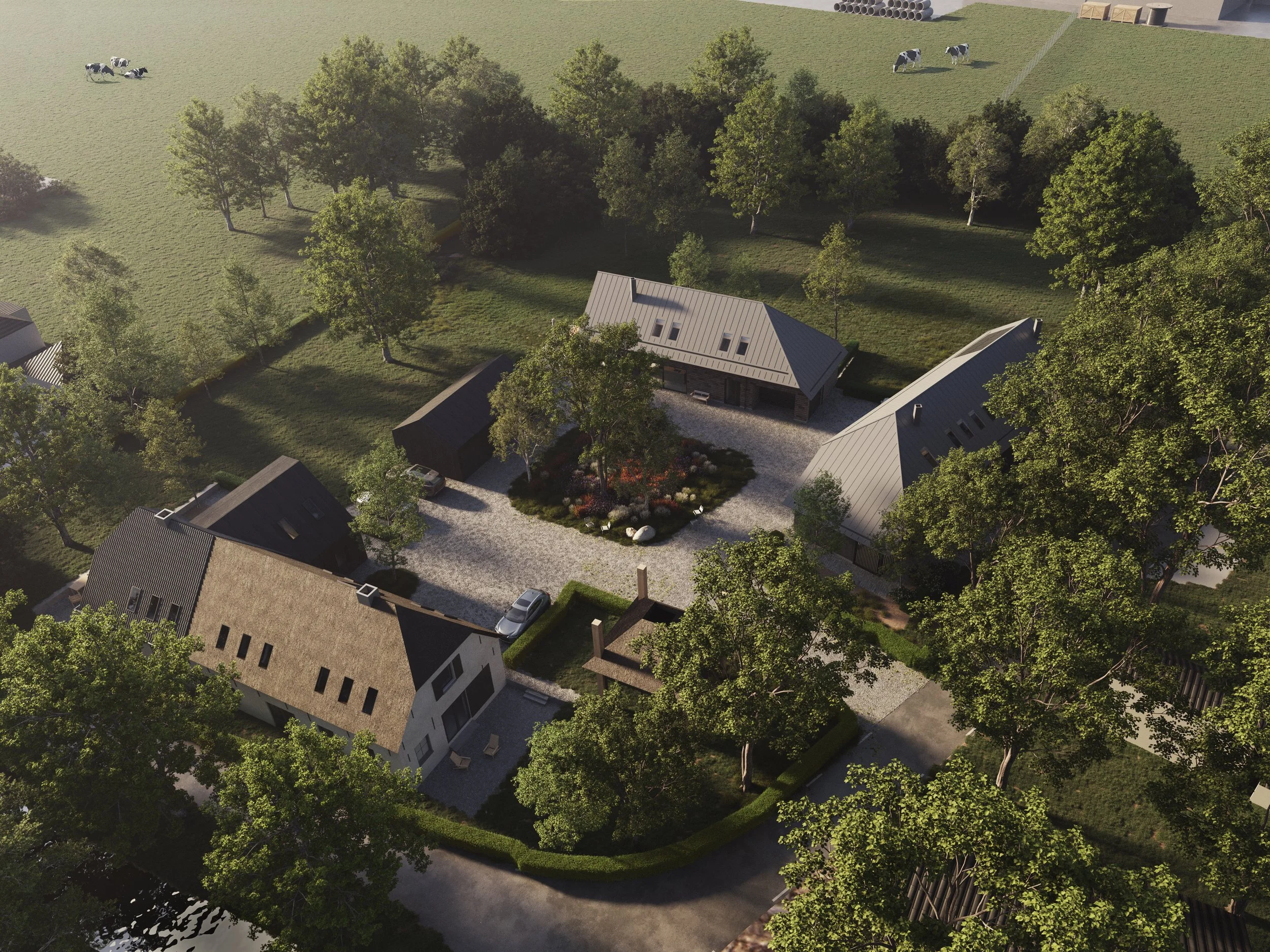
Woonerf, Cothen
“It begins not with the buildings, but with the space between them. The central courtyard gathers what cannot be built: atmosphere and community.”
- B2A Founding Partner, Louise Bjørk
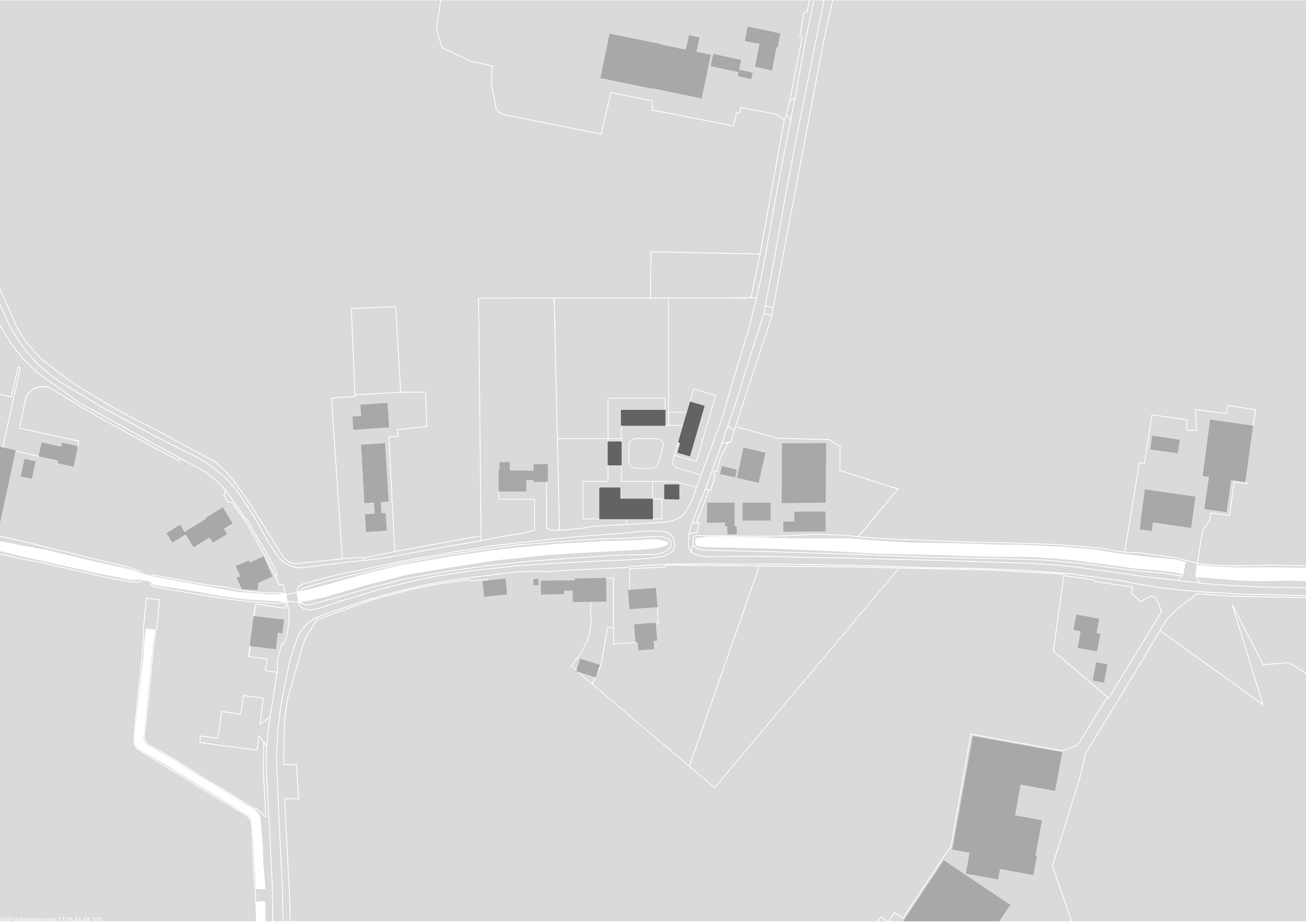
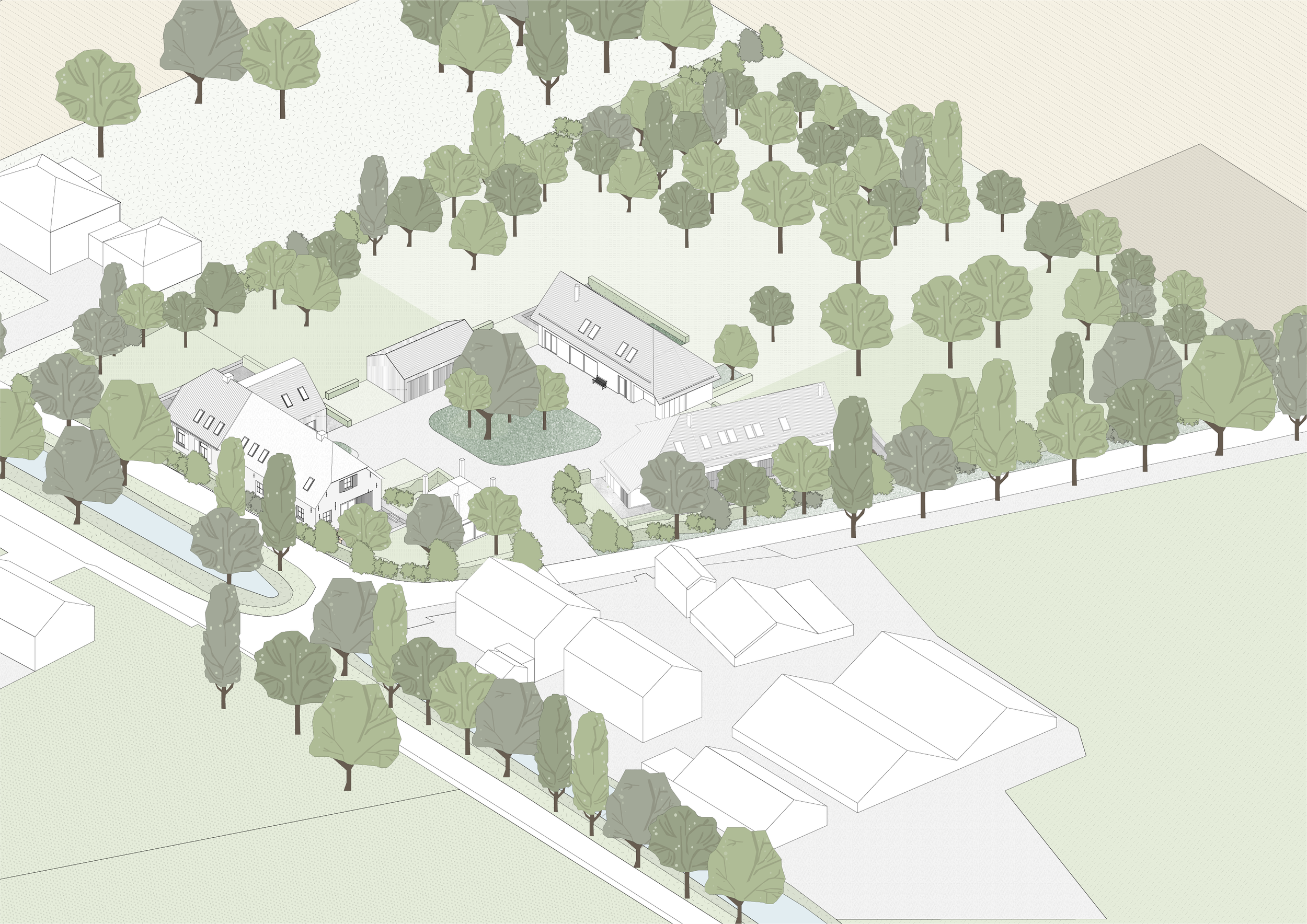
Siteplan
Project: Housing / Renovation / Transformation / Masterplan
Client: Private
Location: Cothen
Year: 2021-ongoing
Size masterplan: 7750m2 (woonerf)
Size renovation and extension of existing farm: 520m2
Size new build homes: 460m2
Project phases: Masterplan, SO, VO, DO and BA
(Building permission for existing farm and building permission for two new family homes)
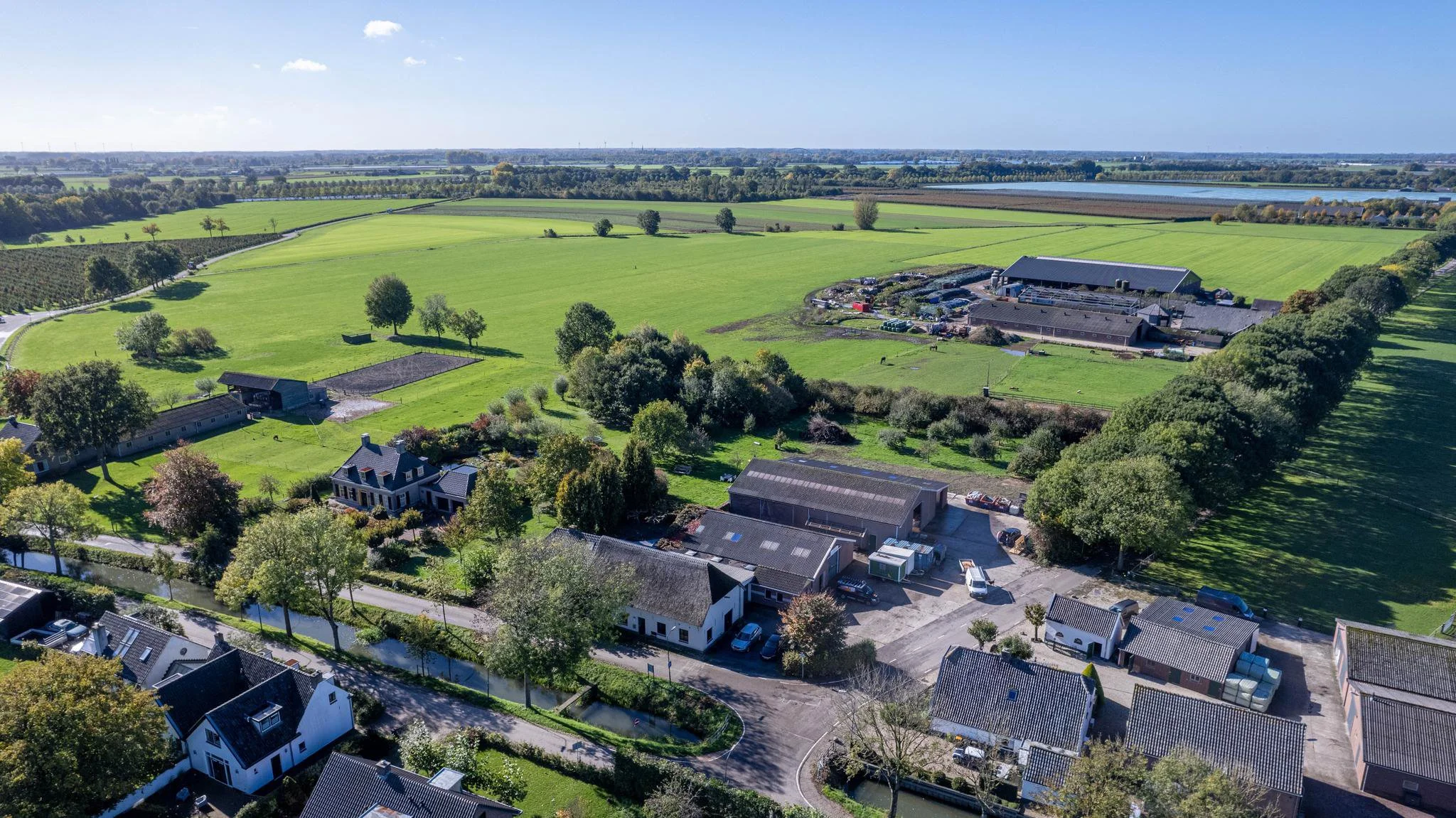
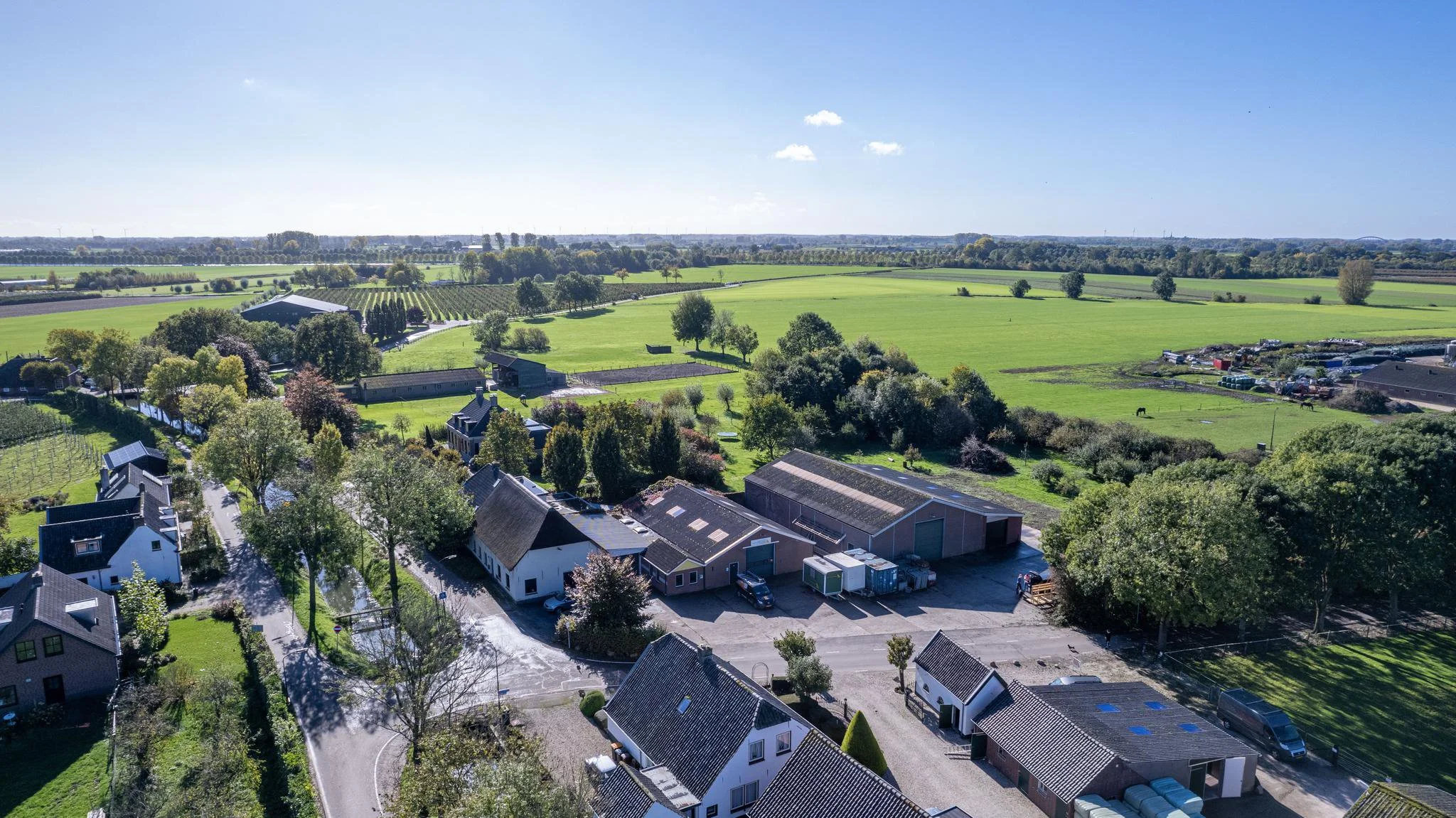
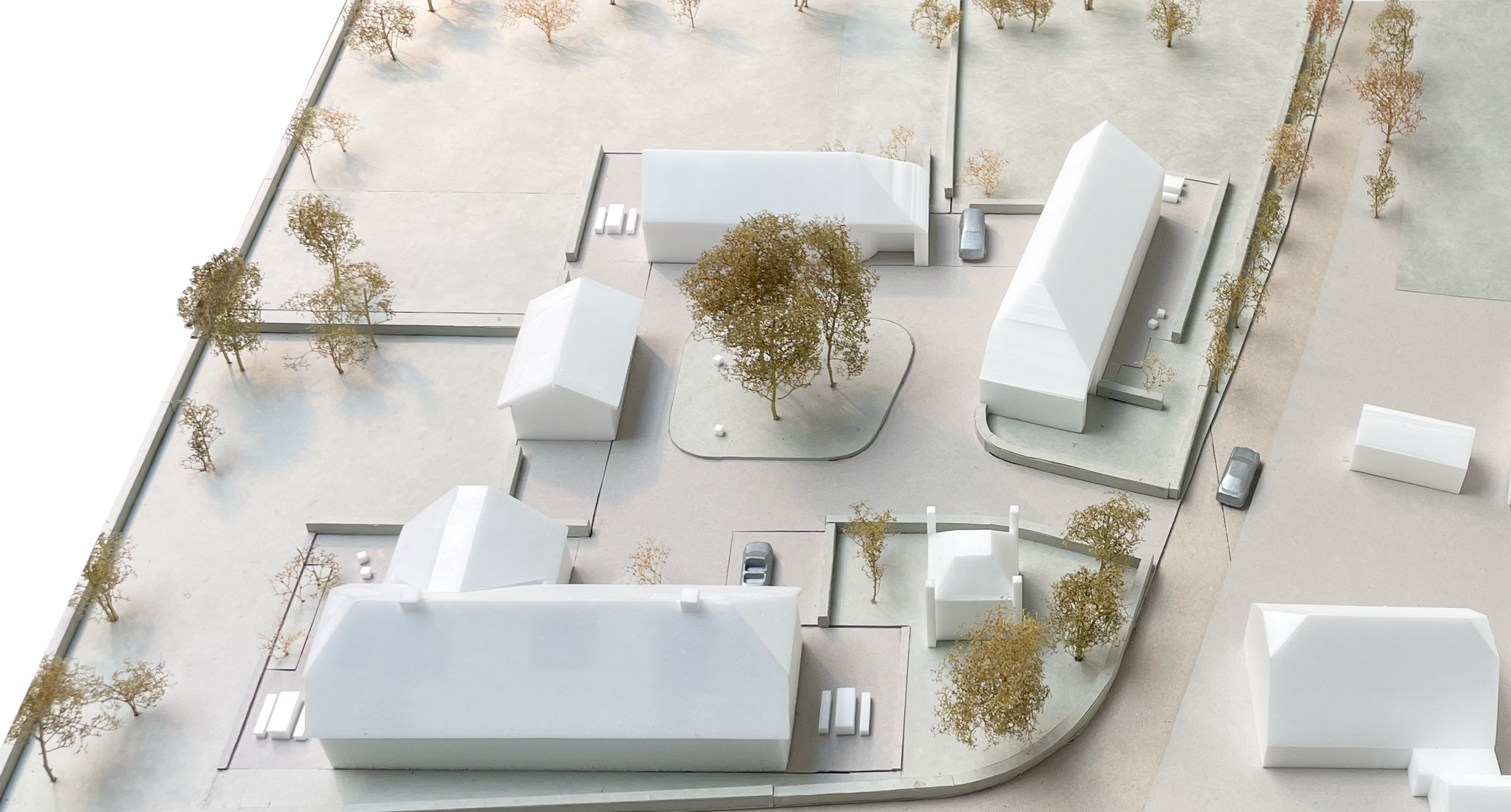
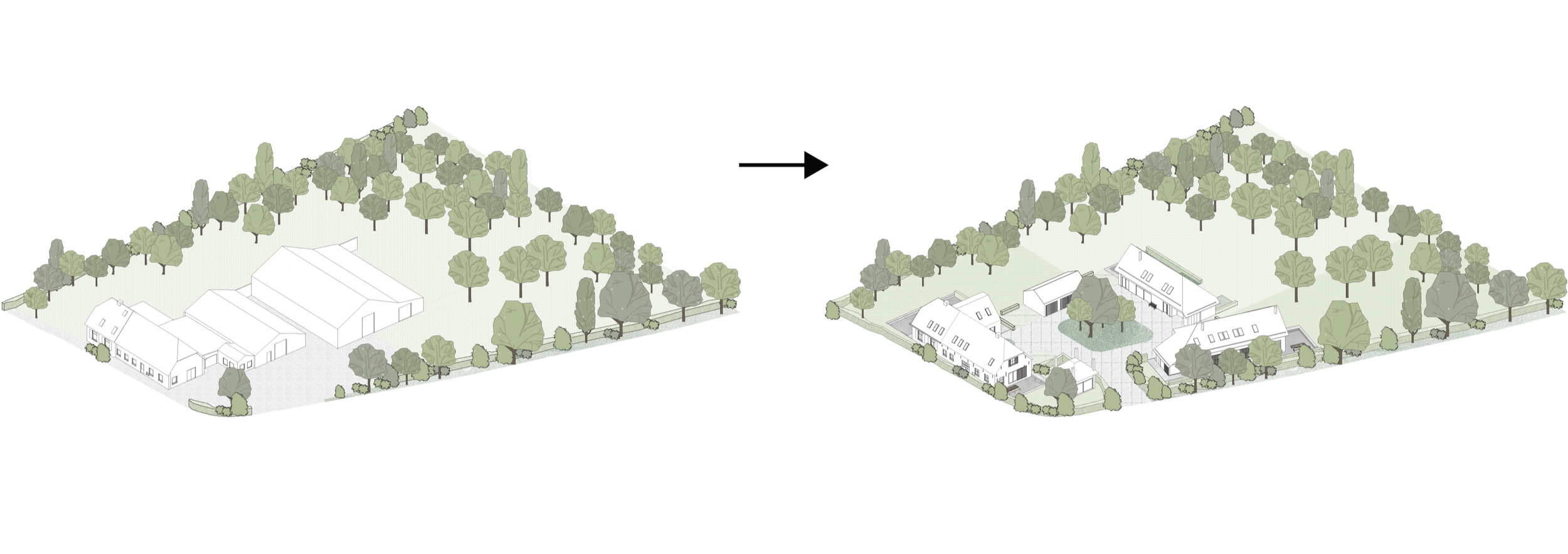
Existing starting point (farmhouse with attached stables) to a conversion of a courtyard development creating 4 new family homes
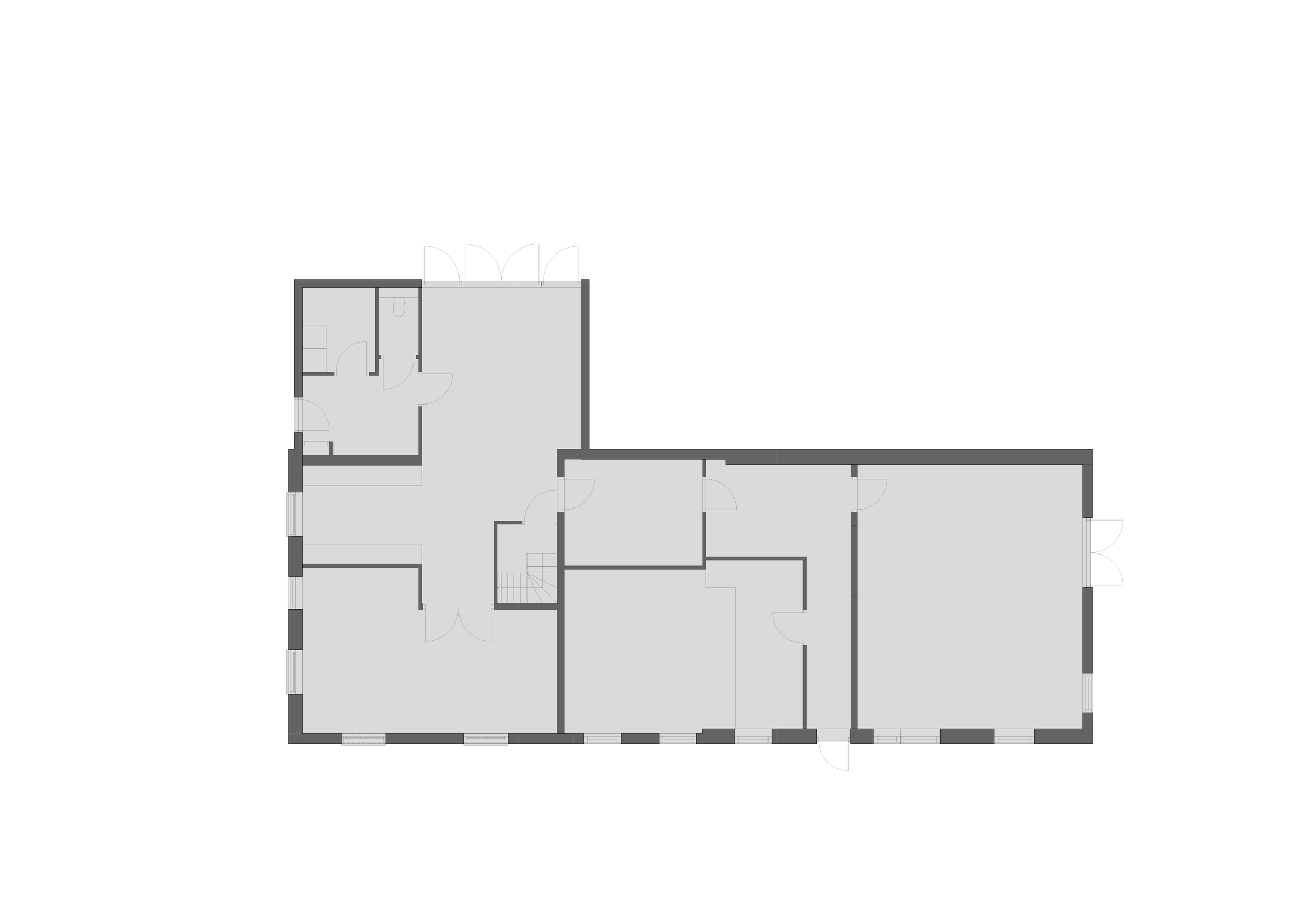
Ground floor, existing situation
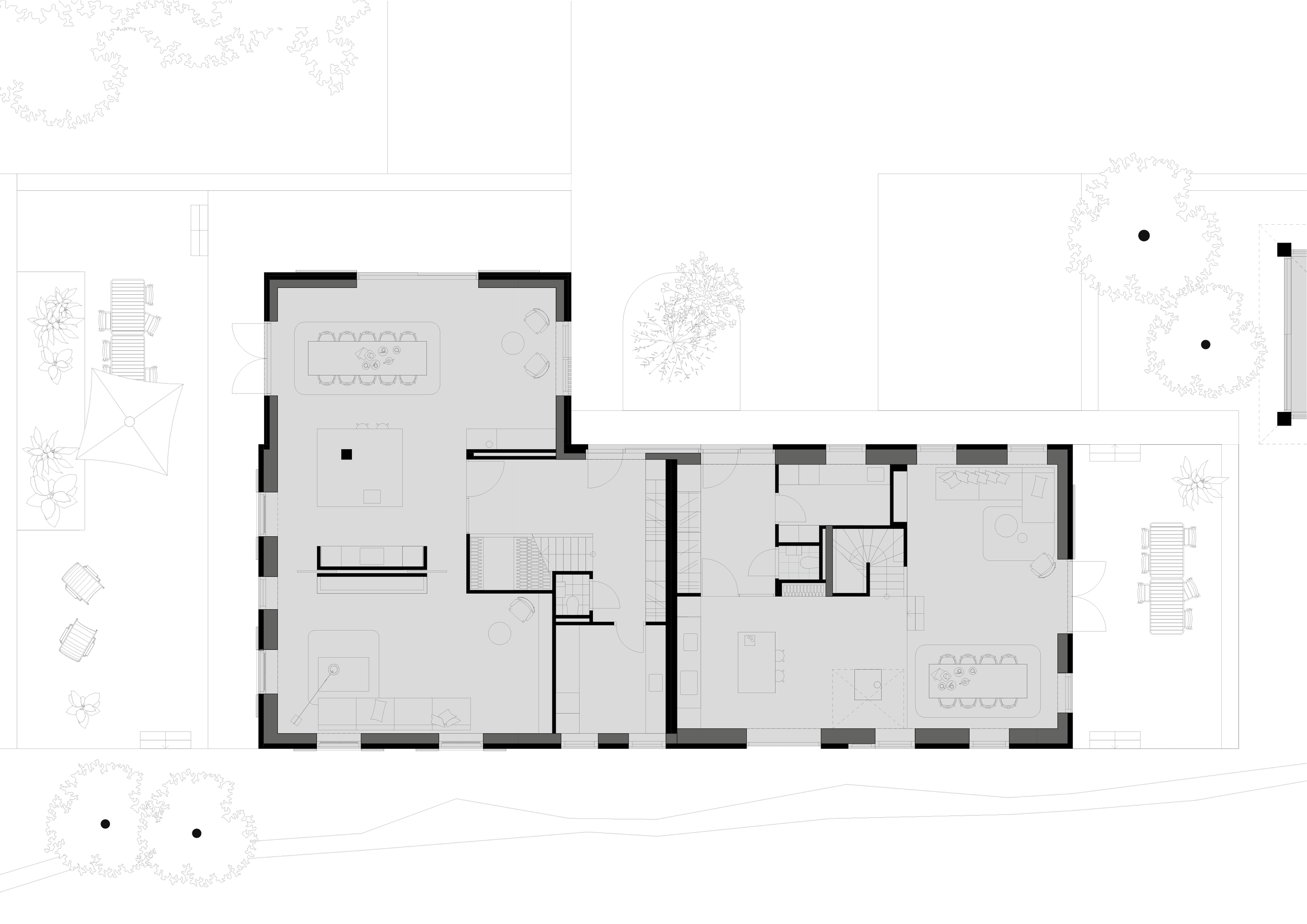
Ground floor, new situation
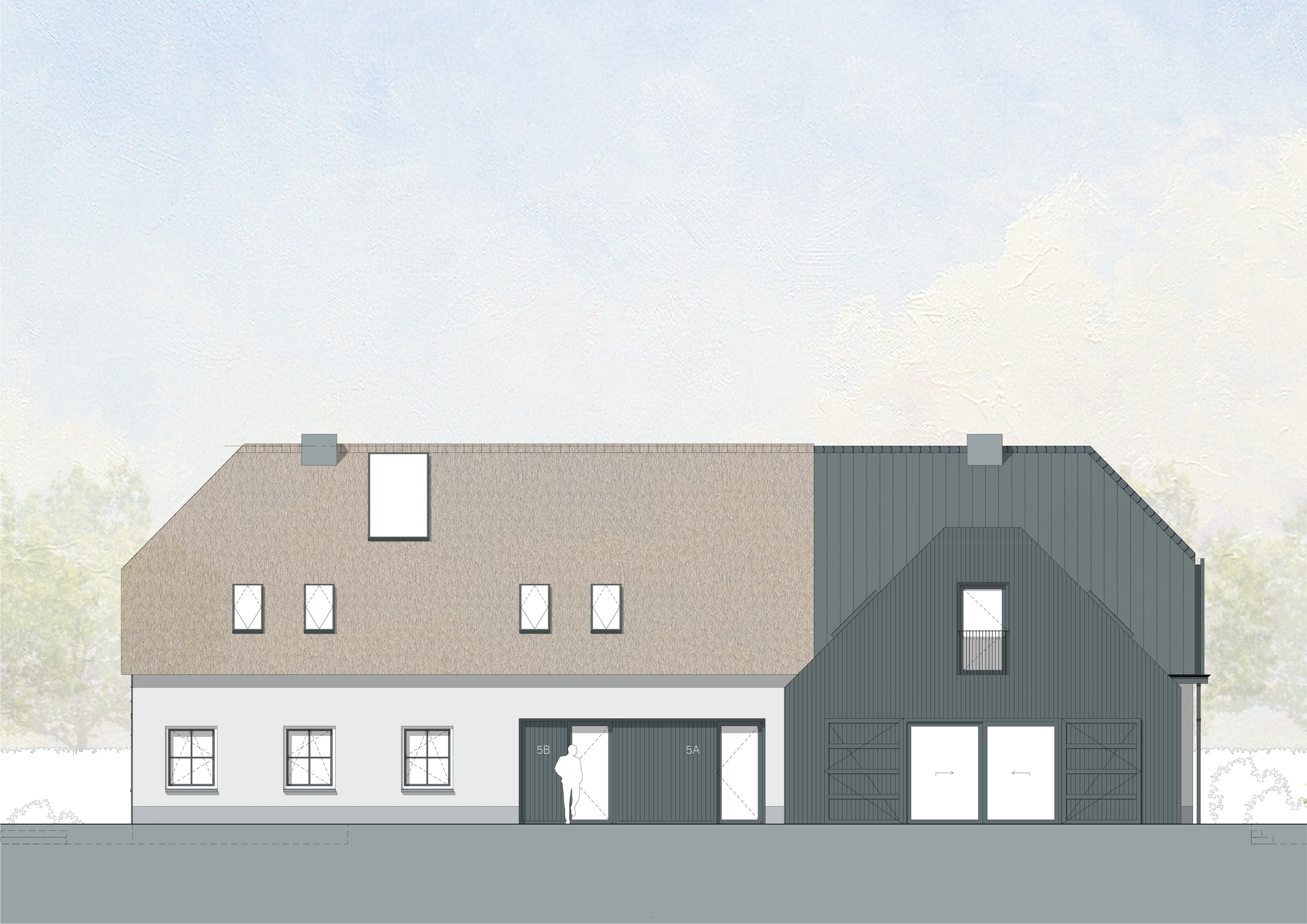
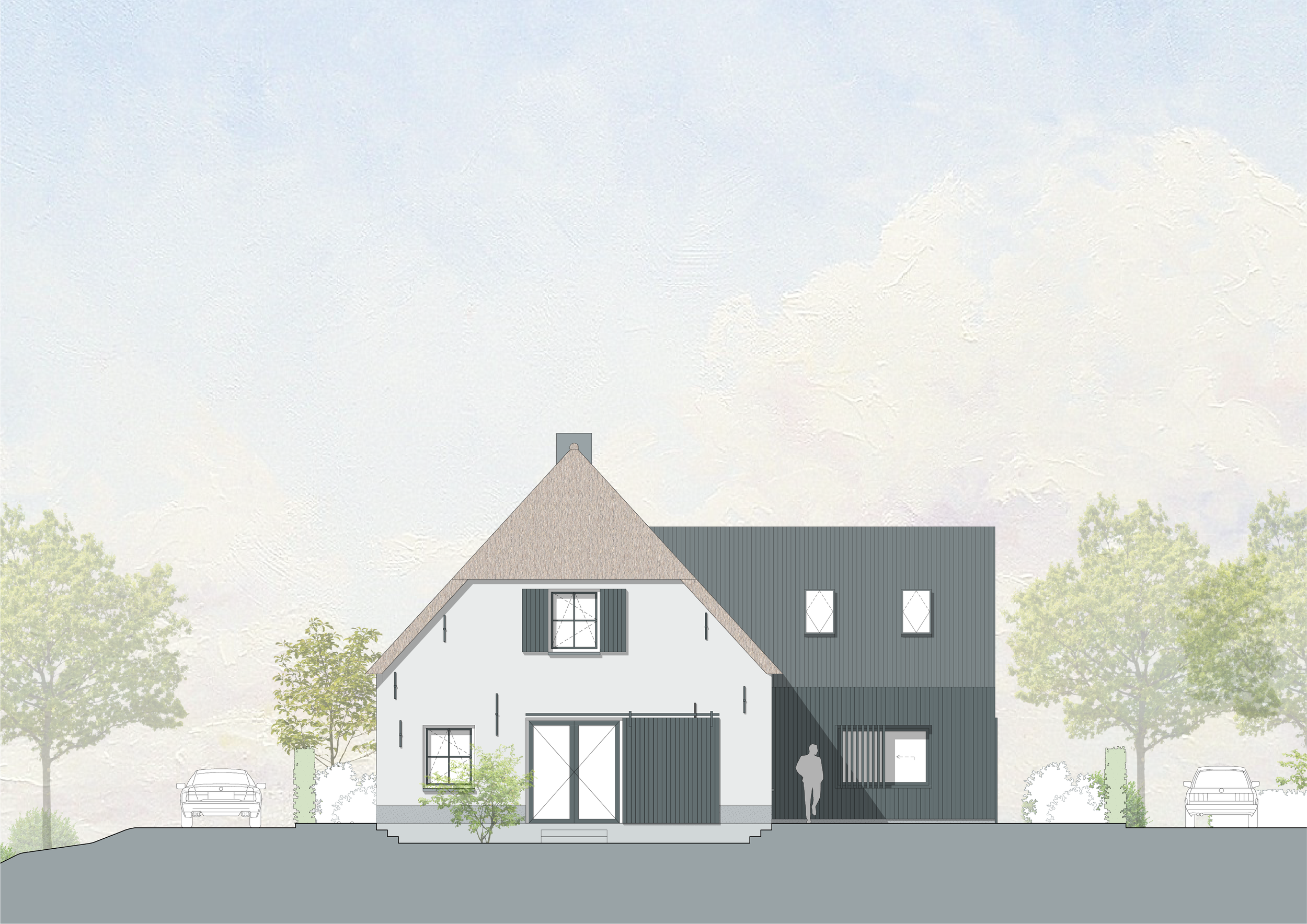
Transformation of existing farmhouse
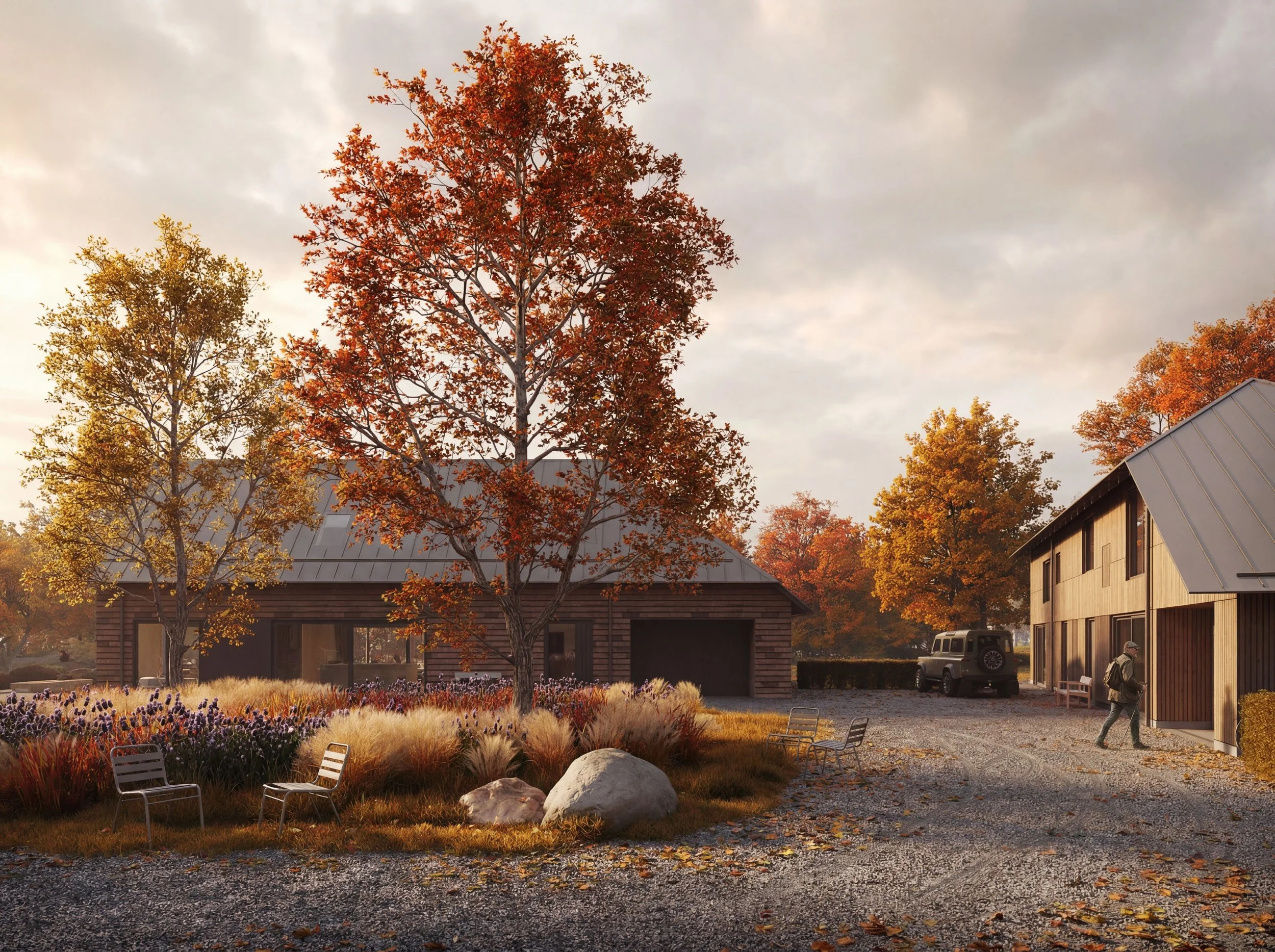
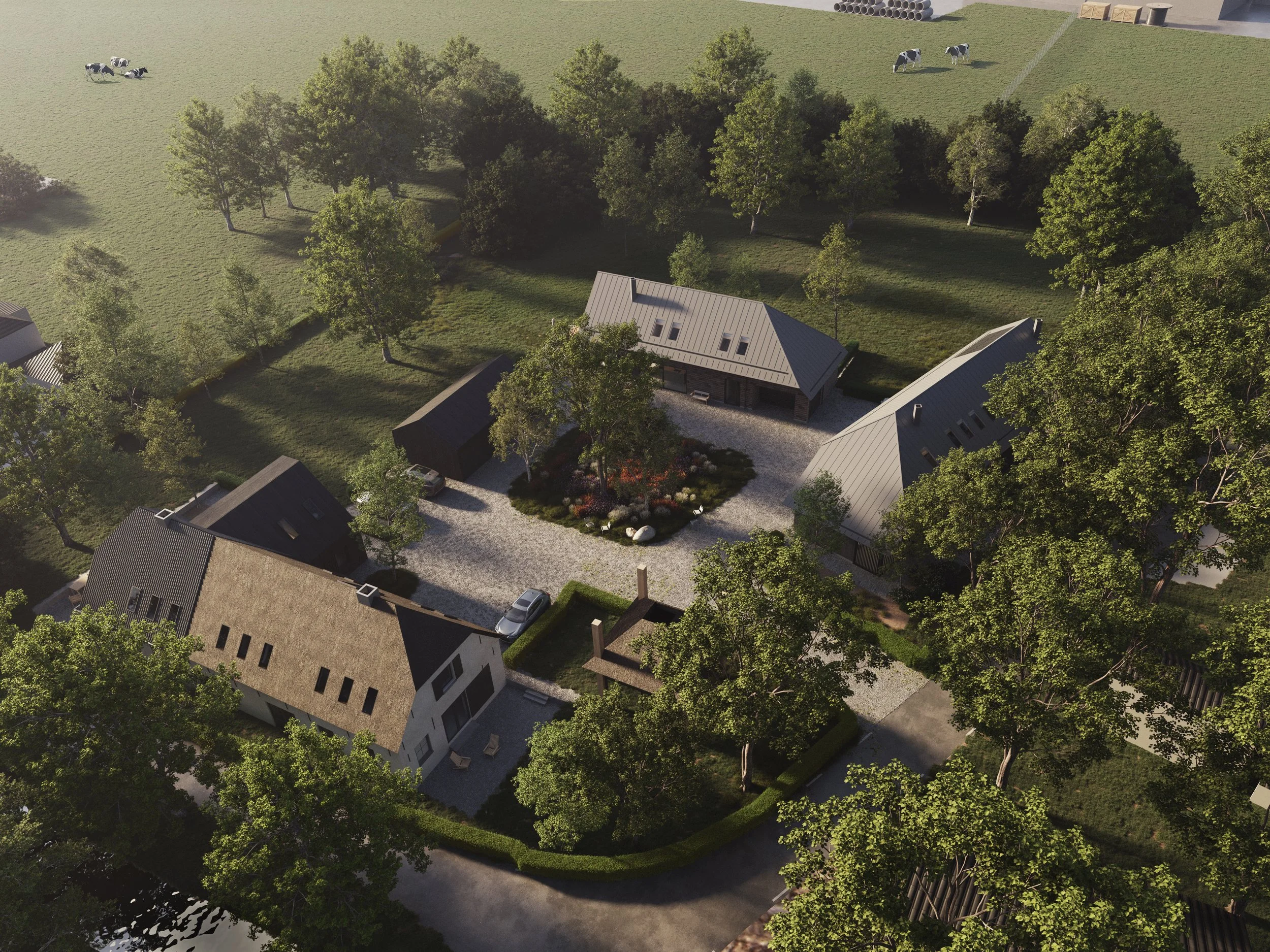
View of the new central courtyard
Description
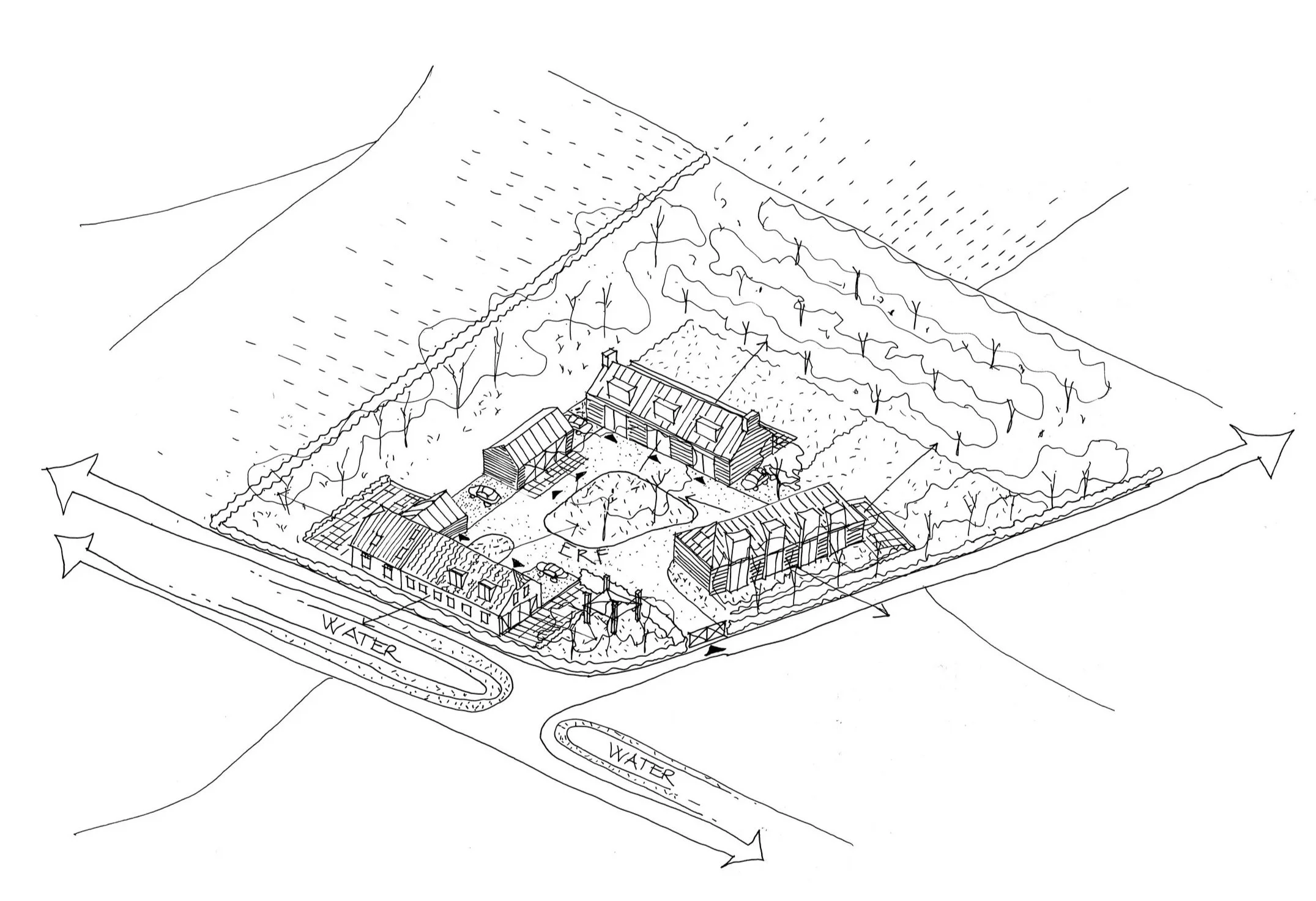
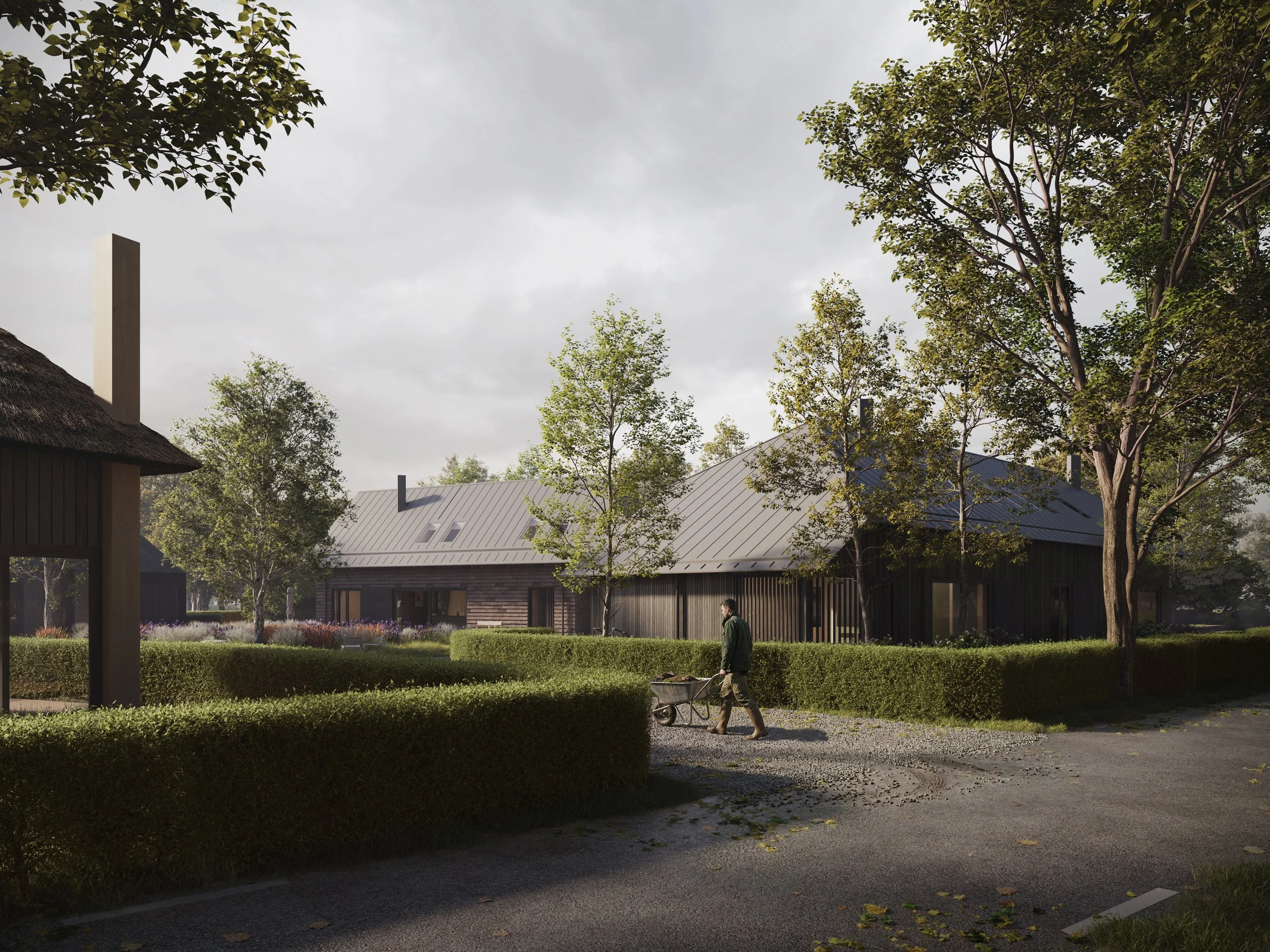
The masterplan reimagines the existing farmstead as a cohesive rural ensemble organized around a shared woonerf —a living courtyard that fosters community interaction while strengthening the connection to the surrounding landscape. The proposal introduces two new barn-style houses, a hay barrack, and a large outbuilding, while transforming the existing farmhouse and former agricultural structures into contemporary single-family dwellings.
The composition carefully positions the new volumes around the erf, framing views and establishing strong visual relationships with the landscape. This strategic arrangement enhances orientation and spatial depth, creating a sense of enclosure while maintaining openness toward the surrounding fields.
At the heart of the design lies the central courtyard, formed on the site of former stables and outbuildings. This shared outdoor space becomes the organizing element of the ensemble, balancing collective life with private dwelling.
The existing farmhouse is preserved as the primary architectural anchor of the site. Its historical and spatial significance is reinforced through a design approach in which all new structures derive formal cues from it. Roof pitches, ridge orientations, and proportional relationships reference the original building, ensuring continuity between old and new.
Materiality further strengthens this dialogue. The new volumes are clad in dark-stained timber and brick tiles, referencing traditional regional barn typologies while expressing a contemporary, robust character. Cohesion is reinforced through consistent detailing and the integration of landscape elements such as decking, raised platforms, hedges, and structured planting beds, which articulate transitions between public and private zones.
While united within a farmstead-inspired architectural ensemble, each dwelling is distinctly articulated through variations in spatial organization, volumetry, roof form, and materialization. In all cases, visual relationships to the courtyard and the surrounding landscape are carefully maintained.
The result is a layered composition in which historical traces and contemporary interventions coexist. The transformation of former agricultural land into small scale residential use offers a renewed interpretation of a rural typology—grounded, context-responsive volumes that respect the scale and character of the farmyard while supporting modern ways of living.
The removal of attached stables and industrial outbuildings has enabled this renewed spatial order, resulting in a carefully composed ensemble of four family homes organized around a shared rural heart.
Visualisations by Render-lab, Berlin